
Teeth Whitening in Houston, TX

Get a Brighter Smile in a Single Visit

Brilliant Results That You Can See
In-office whitening delivers a noticeable improvement in a single visit. The concentration of whitening agent used in a professional setting is significantly higher than anything available over the counter, which means faster results and more even coverage across all treated teeth.
Adjusted to What Looks Right for You
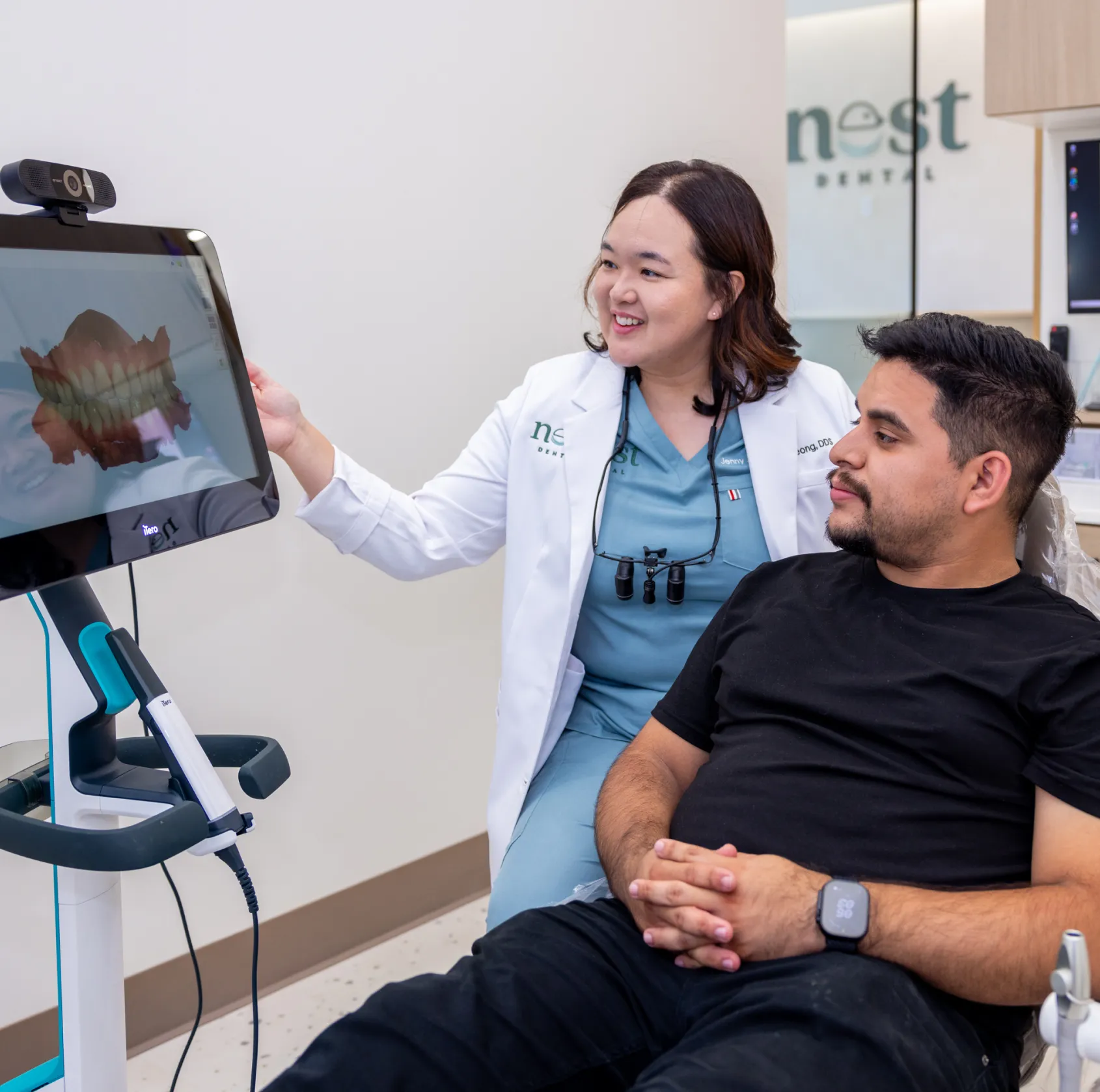
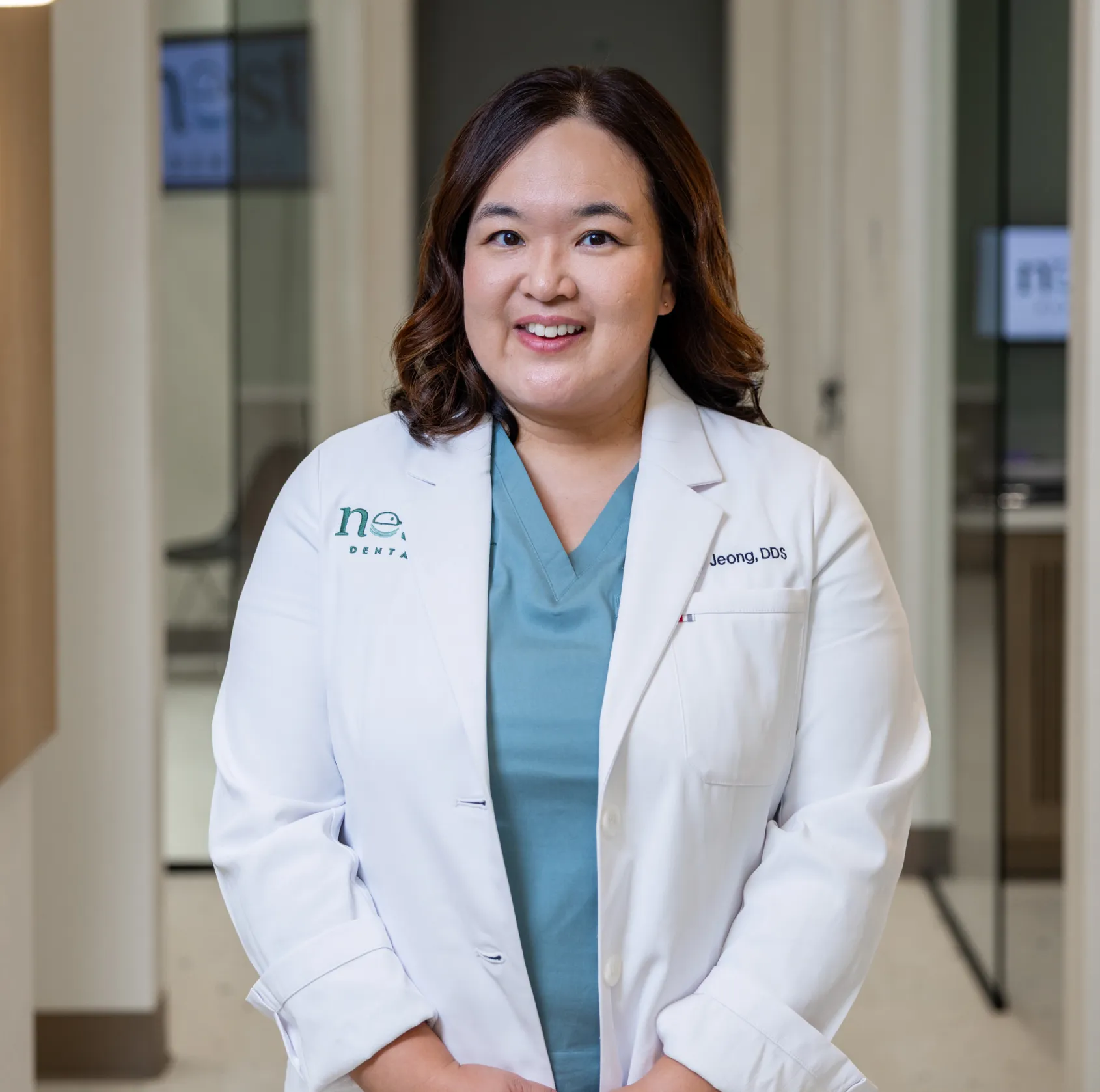
Whitening is not one-size-fits-all. A shade that looks natural on one patient can look stark on another. Dr. Jeong assesses your current shade, your skin tone, and your goals before treatment begins so the result complements your appearance rather than overpowering it.
Take-Home Options for Results at Your Pace
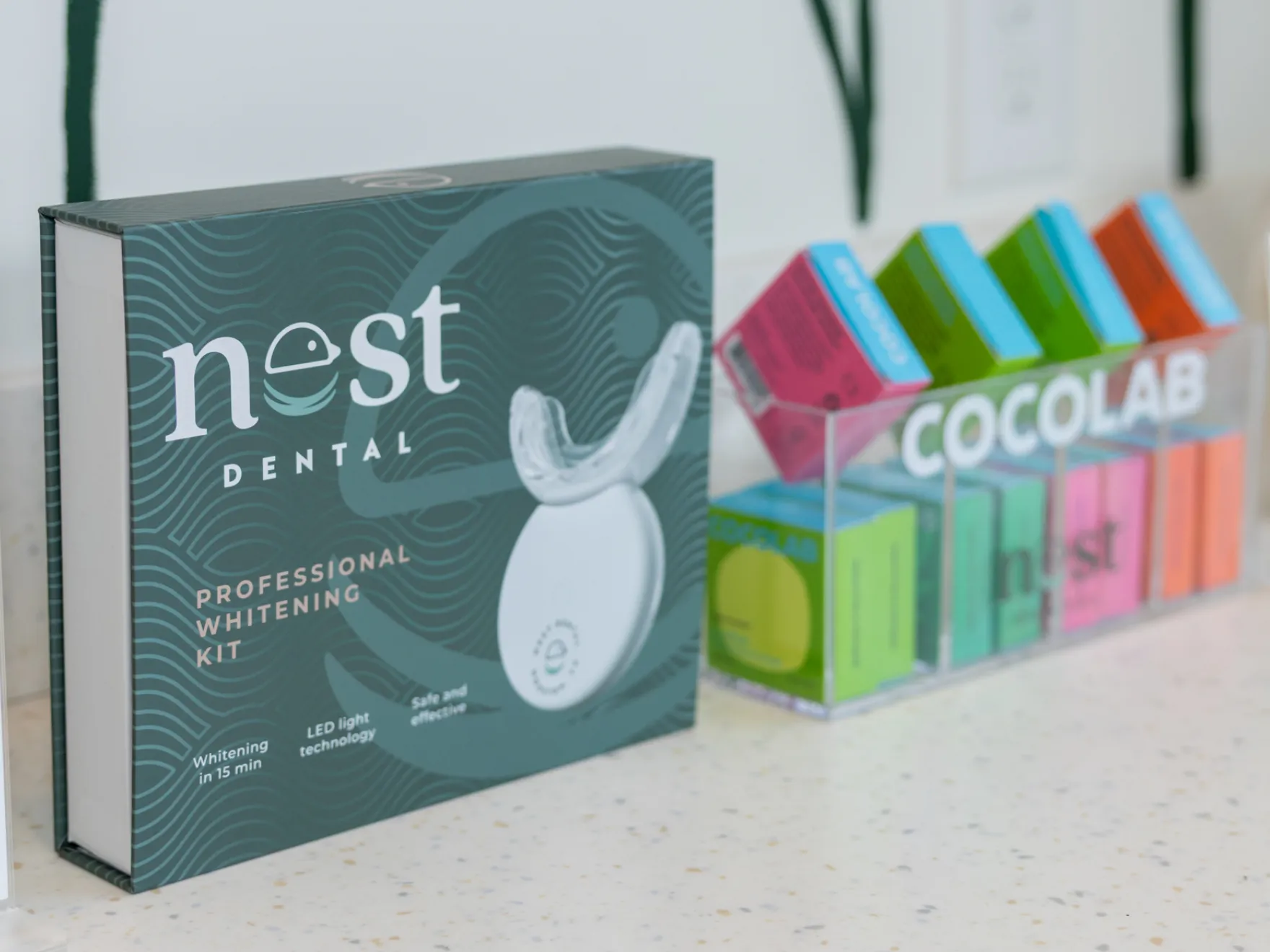
Some patients prefer to whiten gradually at their own pace. Nest Dental provides custom-fitted take-home trays with professional-grade whitening gel that delivers better results than generic over-the-counter trays because the fit is precise and the formula is stronger. Dr. Jeong determines which approach fits your situation and sensitivity level.
We've got your
coverage covered
Whitening Before Other Cosmetic Work
If you are planning veneers or bonding in addition to whitening, the order of treatment matters. Whitening must be completed and the shade allowed to stabilize before any restorations are fabricated, because the color of a crown, veneer, or bonding material is permanent once it is placed. Getting the sequence right ensures everything matches when treatment is complete.

What Whitening Can and Can’t Do
Professional whitening is highly effective on staining caused by food, drink, and aging. It does not work on:
- Crowns, veneers, or composite bonding, which do not respond to bleaching agents
- Staining caused by certain antibiotics or medications, which is embedded in the tooth structure rather than the surface
- Discoloration caused by trauma to the tooth, which requires a different treatment approach
If whitening alone will not achieve the result you are looking for, Dr. Jeong discusses alternatives such as veneers or bonding that can address what whitening cannot.
Sensitivity During and After Whitening
Tooth sensitivity is the most common side effect of whitening and is typically temporary. It occurs because the whitening agent temporarily opens the pores of the enamel, making the tooth more reactive to temperature and pressure. A few things that help:
- Using a sensitivity toothpaste in the days leading up to treatment
- Avoiding very hot or cold foods and drinks immediately after whitening
- Spacing out take-home treatments if sensitivity is significant
- Choosing a lower-concentration formula over a longer treatment period for patients with a history of sensitivity
Dr. Jeong takes your sensitivity history into account when selecting a whitening system so the process is as comfortable as possible.

Maintaining Your Results
Whitening results are not permanent, but they are maintainable. How long your results last depends on your diet and hygiene habits:
- Coffee, tea, red wine, and dark sauces are the most common contributors to re-staining
- Rinsing with water after consuming staining foods and beverages slows the process
- Consistent brushing and regular professional cleanings keep surface staining from accumulating
- Periodic touch-up treatments with your take-home trays extend the outcome without repeating a full in-office treatment
Most patients find that results last one to three years before a touch-up is worthwhile.
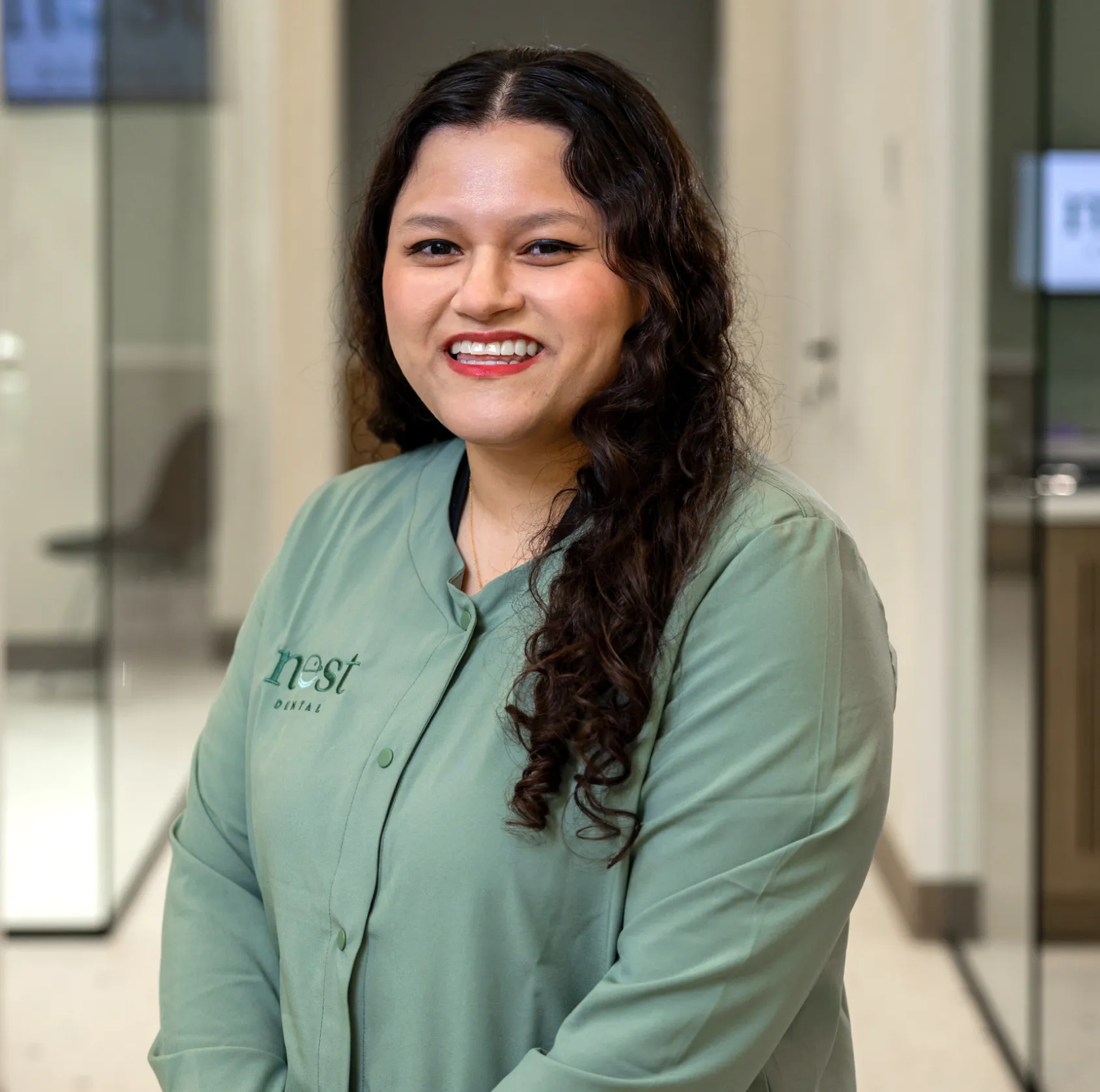

Meet Dr. Jenny Jeong & Dr. Justin Kang
A Family Team
of Experts
What to Expect During Your Smile Whitening Appointment
Shade Assessment
Dr. Jeong evaluates your current tooth shade and discusses your goals. She notes any existing restorations that will not respond to whitening and sets realistic expectations for the outcome based on the type and depth of your staining.
Preparation
Your lips and gums are protected with a barrier before the whitening gel is applied to prevent soft tissue irritation. The process takes only a few minutes and is completely comfortable.
Gel Application
Professional-grade whitening gel is applied evenly to the surfaces of your teeth. Depending on the system used, a light or laser may be used to activate the gel and accelerate the whitening process.
Treatment Cycles
The gel is applied in intervals, typically two to three cycles of 15 to 20 minutes each. Between applications, Dr. Jeong checks your progress and adjusts as needed. You can watch Netflix or listen to music through the treatment room headphones during the process.
Shade Comparison
Once treatment is complete, your new shade is compared to your starting point so you can see the difference. Dr. Jeong reviews what to expect over the following 24 to 48 hours as the shade continues to settle.
Take-Home Instructions
You leave with guidance on what to eat and avoid in the days following treatment, how to manage any sensitivity, and when touch-up treatments make sense. If take-home trays are part of your plan, Dr. Jeong walks you through how to use them correctly.
What sets nest dental apart

You’re Safe Here

Local Team, Local Care

Higher Standards

A Better Experience
Frequently Asked Questions
Is there anything I should avoid after whitening?
For the first 24 to 48 hours after treatment, avoid dark or heavily pigmented foods and beverages such as coffee, tea, red wine, tomato sauce, and berries. The enamel pores are temporarily more open during this window, making the teeth more susceptible to re-staining. After that period, normal habits can resume.
Can whitening fix staining from antibiotics or medication?
Not effectively. Tetracycline and certain other medications cause intrinsic staining that is embedded in the tooth structure rather than on the surface. Professional whitening can lighten it to a degree but typically cannot eliminate it completely. Veneers are a more effective solution for this type of discoloration. Dr. Jeong discusses your options honestly based on the source of your staining.
What is the difference between in-office and take-home whitening?
In-office whitening uses a higher concentration of whitening agent and delivers results in a single appointment. Take-home whitening uses a lower concentration applied over a longer period using custom-fitted trays. In-office treatment is faster. Take-home whitening gives patients more control over the pace and is a good option for those with sensitivity or a preference for gradual results.
How long do whitening results last?
Typically one to three years, depending on diet and oral hygiene habits. Patients who consume a lot of coffee, tea, or red wine may notice re-staining sooner. Periodic touch-up treatments with take-home trays extend the outcome without needing a full in-office session.
Will whitening work on my crowns or veneers?
No. Whitening agents do not affect porcelain, ceramic, or composite restorations. If you have crowns or veneers, whitening will only change the shade of your natural teeth, which can create a mismatch. Dr. Jeong identifies any existing restorations before treatment and discusses how to manage the shade difference.
Can I whiten my teeth if I have sensitive teeth?
Yes, with the right approach. Dr. Jeong selects a whitening system based on your sensitivity history. Lower-concentration formulas used over a longer period are often more comfortable for sensitive patients than a single high-concentration in-office treatment. Sensitivity toothpaste used before and after treatment also helps.
Is professional whitening safe for my enamel?
Yes, when performed as directed. The whitening agents used in professional treatments temporarily open the pores of the enamel to lift staining, then the enamel remineralizes naturally. Overuse of high-concentration whitening products can cause sensitivity and surface changes over time, which is why professional supervision matters.
How long does an in-office whitening treatment take?
Most in-office whitening appointments take between 60 and 90 minutes from start to finish, including preparation and shade assessment.
How many shades whiter will my teeth get?
Results vary based on the starting shade of your teeth and the type of staining present. Most patients see a improvement of several shades after a single in-office treatment. Dr. Jeong gives you a realistic expectation at your appointment based on your specific situation.
Located next to Starbucks and across the street from Kroger.
Visit nest dental in Houston’s Energy Corridor
We’re located near the heart of the Energy Corridor, next to Starbucks and across the street from Kroger, with free parking and Saturday appointments available. New patients and families welcome.